Home Our Services About Us FAQ Resources Book Now
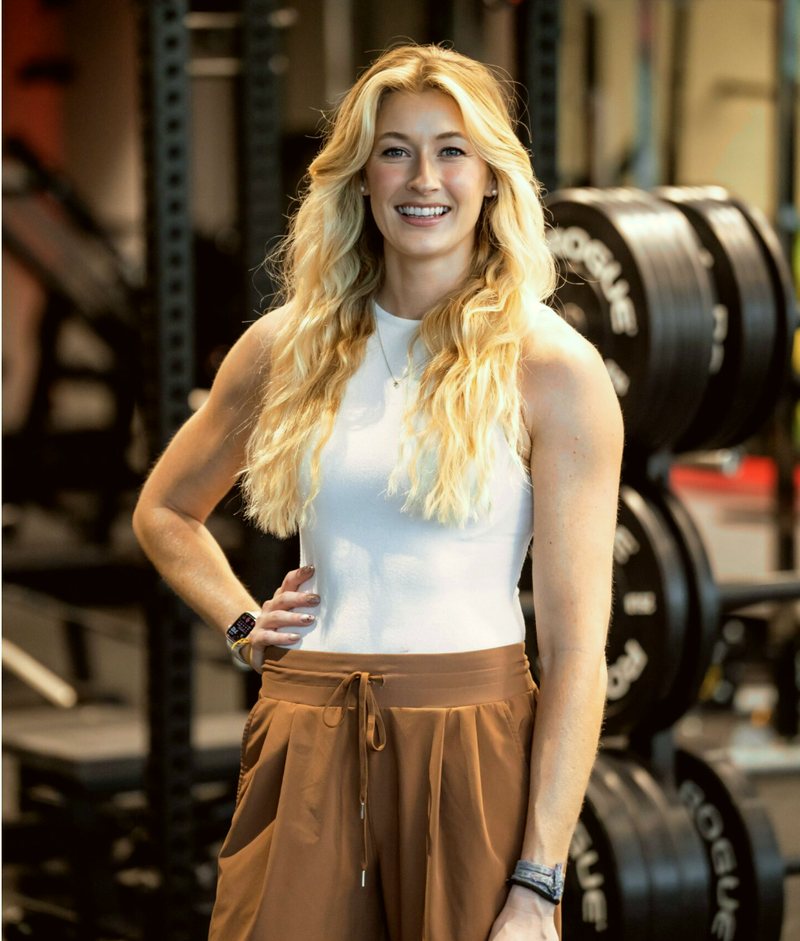
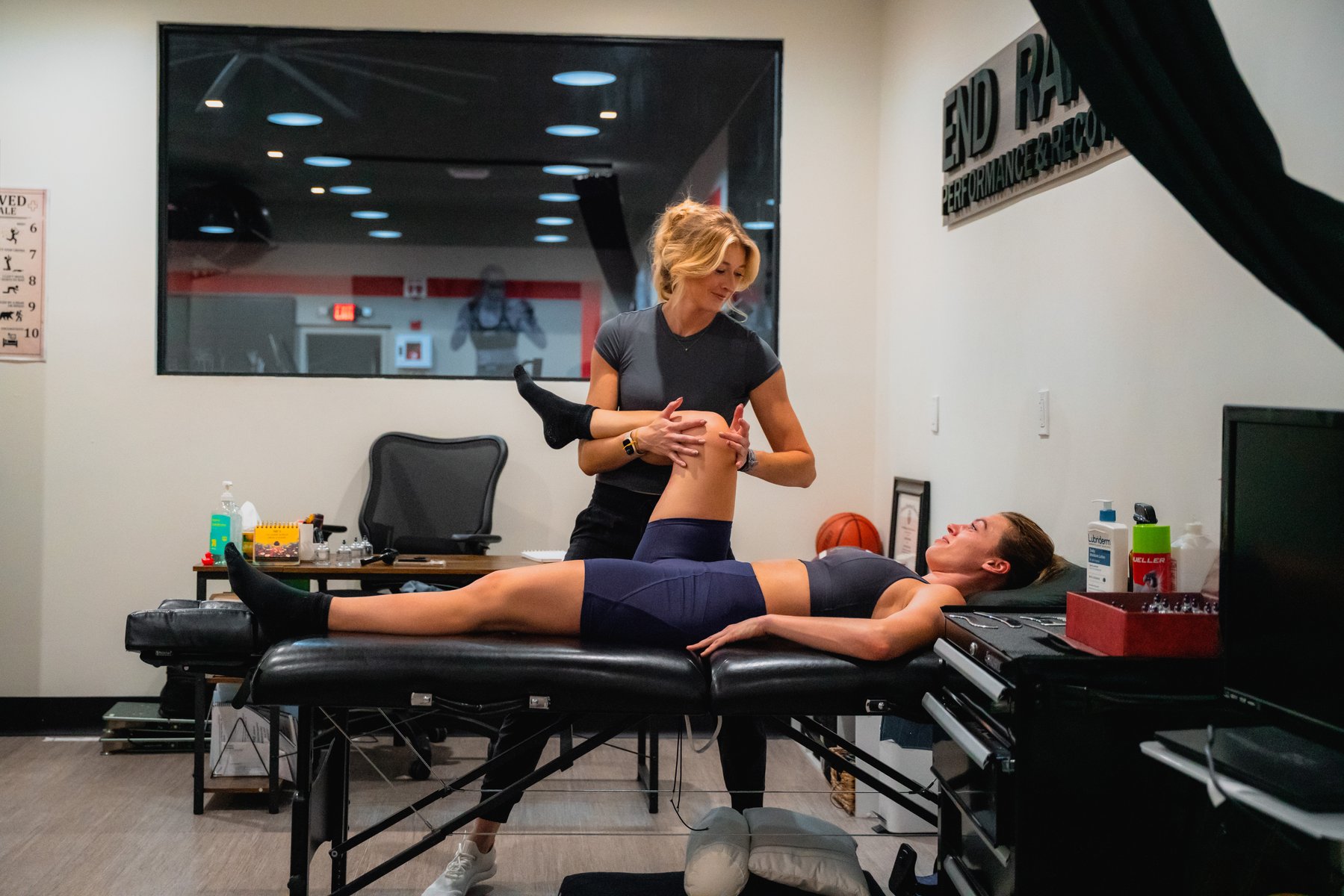
Dr. Lindsey Meeks providing one-on-one physical therapy at End Range Performance and Recovery
Fort Lauderdale, FL  ·  Cash-Based Physical Therapy

Train Hard.
Recover Smart.
Feel Better.

Private, personalized physical therapy in Fort Lauderdale.
Built for active people who want to stay that way.

Scroll
What we offer

Where Rehab Meets Performance

Expert, individualized care, whether you're recovering from injury, managing a chronic condition, or investing in staying healthy long-term.
Physical Therapy

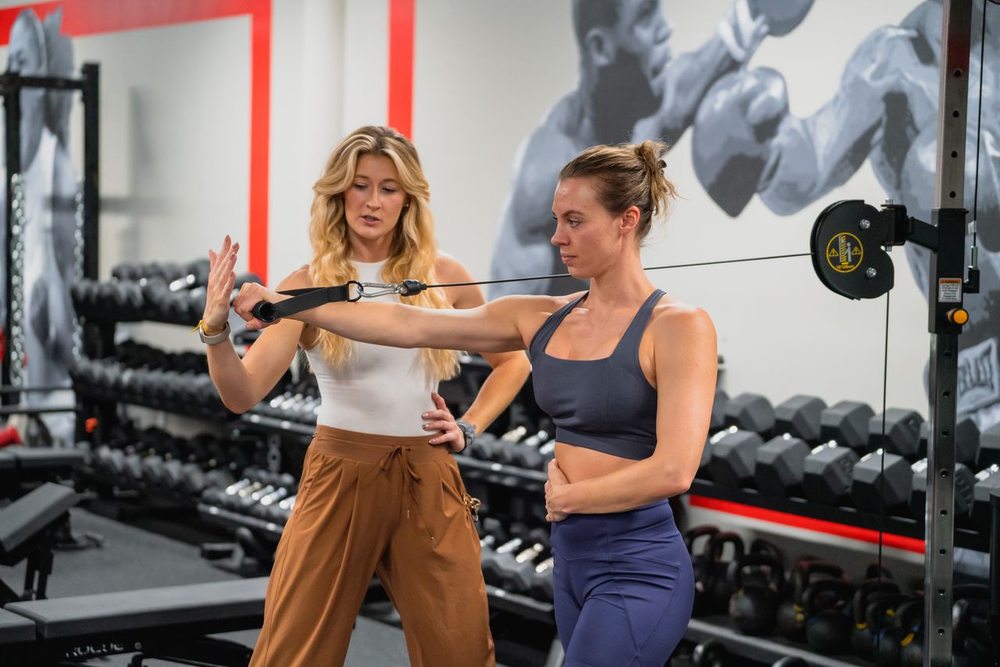
Physical Therapy & Sports Rehab

Hands-on, one-on-one care for pain, injury, and recovery, designed to get you back to training, competing, and moving the way you want to.

Learn More →
Performance and Recovery

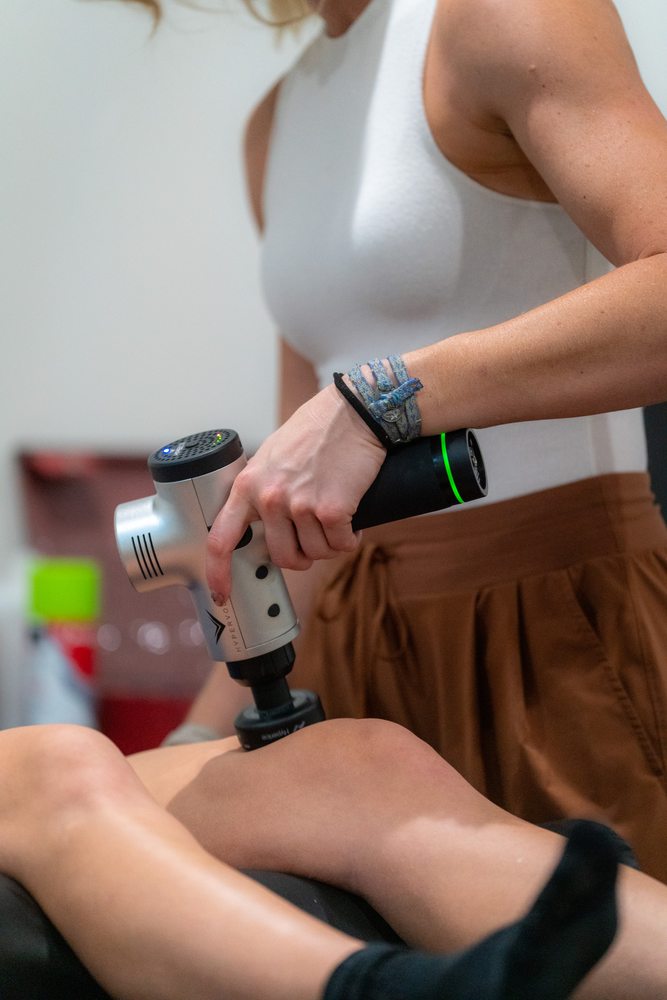
Performance & Recovery Services

Targeted recovery work and movement care to help you train harder, recover faster, and stay ahead of injury, without having to slow down.

Learn More →
Wellness Care

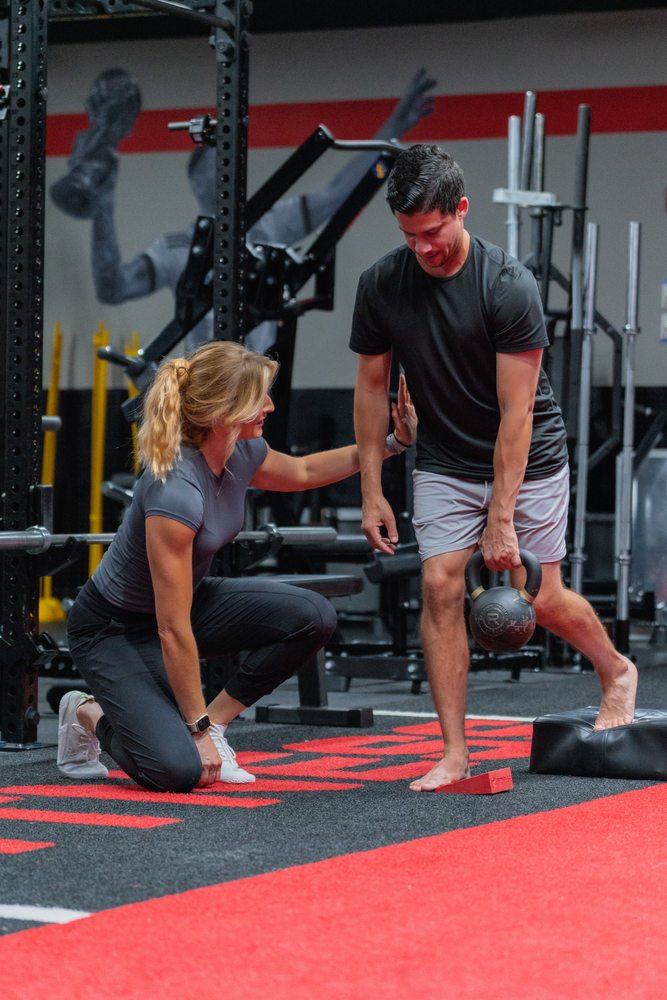
Wellness & Preventative Care

Proactive care for people who don't want to wait for something to break. Improve how you move, address imbalances early, and invest in staying healthy long-term.

Learn More →

Still Hoping That Pain Will Fix Itself?

6 months

That's the average time people wait before seeking care. By then, compensations, muscle imbalances, and movement dysfunction have already taken hold. The longer you wait, the more your body adapts around the problem.

Why it matters
  • Every session is one-on-oneThe same doctor every visit. No aides, no assistants, no handoffs.
  • Full 60-minute sessionsEnough time to assess, treat, and progress. Every single appointment.
  • Transparent, cash-based careNo insurance restrictions. Treatment decisions are made by you and your clinician, not by your coverage.
  • A facility built for performancePrivate, fully equipped, and used by professional fighters and NFL athletes, and access to a training environment most clinics can't offer.
  • Rehab and movement, integratedYou won't just be handed a sheet of exercises. Every session bridges clinical care with the way you actually train and move.
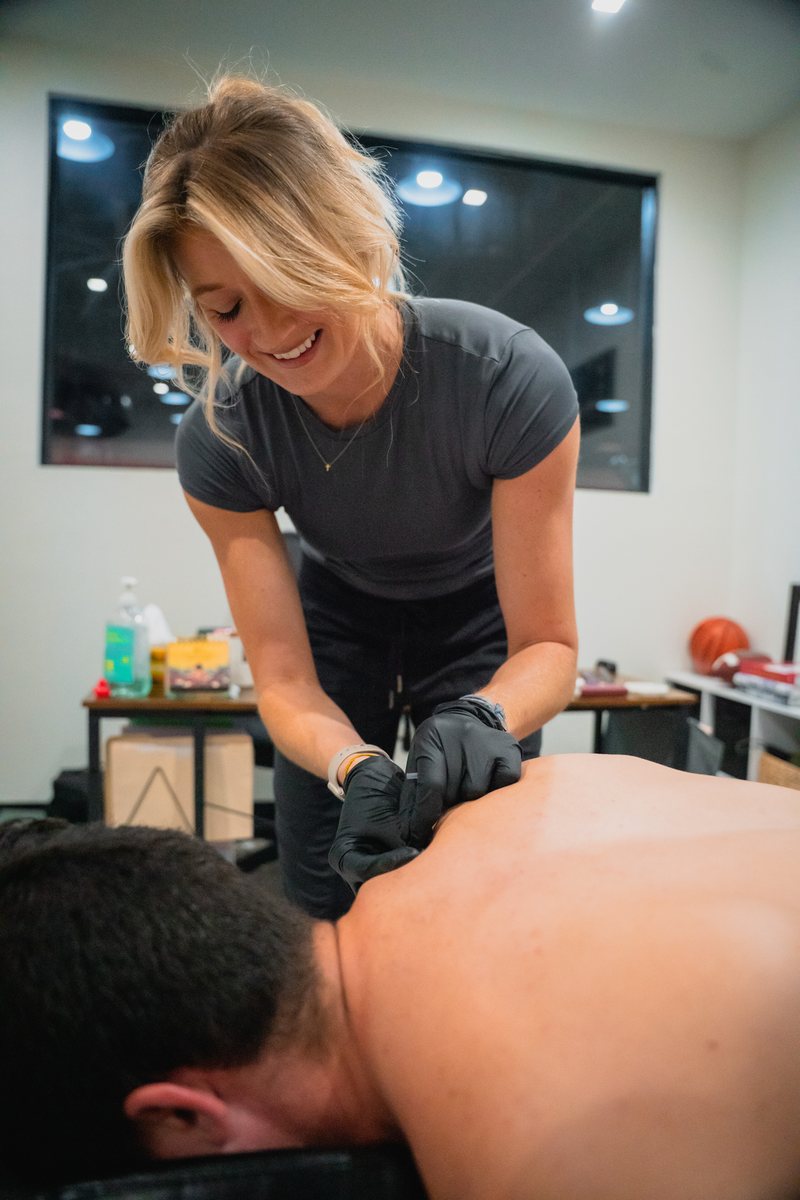
Dr. Meeks performing dry needling
Client reviews

Trusted by Athletes and Active Adults

Personalized, one-on-one care designed to help you move better, recover fully, and return to the activities you love.

★★★★★ 5.0 out of 5 based on 40+ Google reviews
Ready to start?

Your first visit starts with a conversation.

A full 60-minute one-on-one evaluation with Dr. Meeks, no rushing, no guesswork, no being passed off to someone else.

Schedule Your First Visit
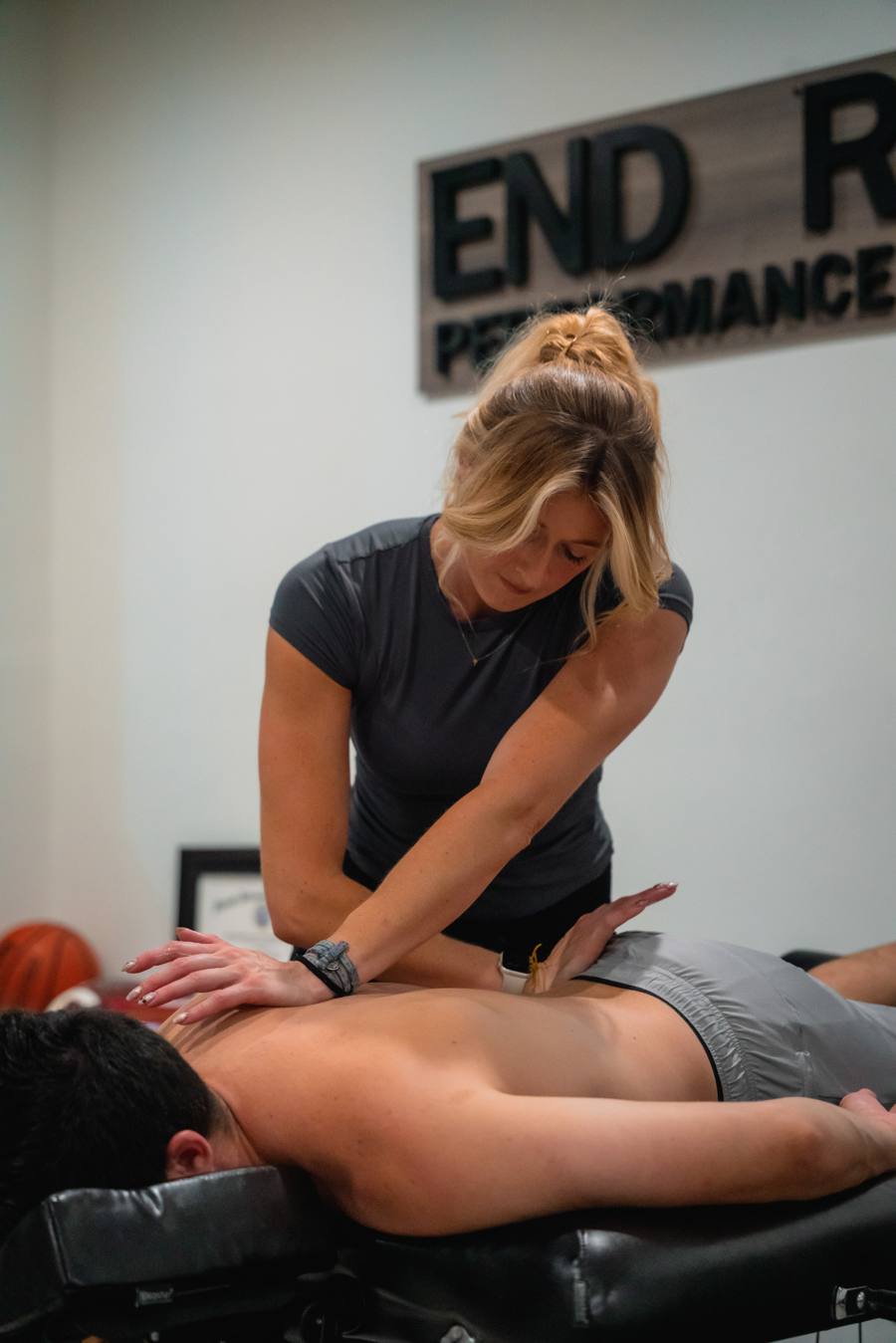
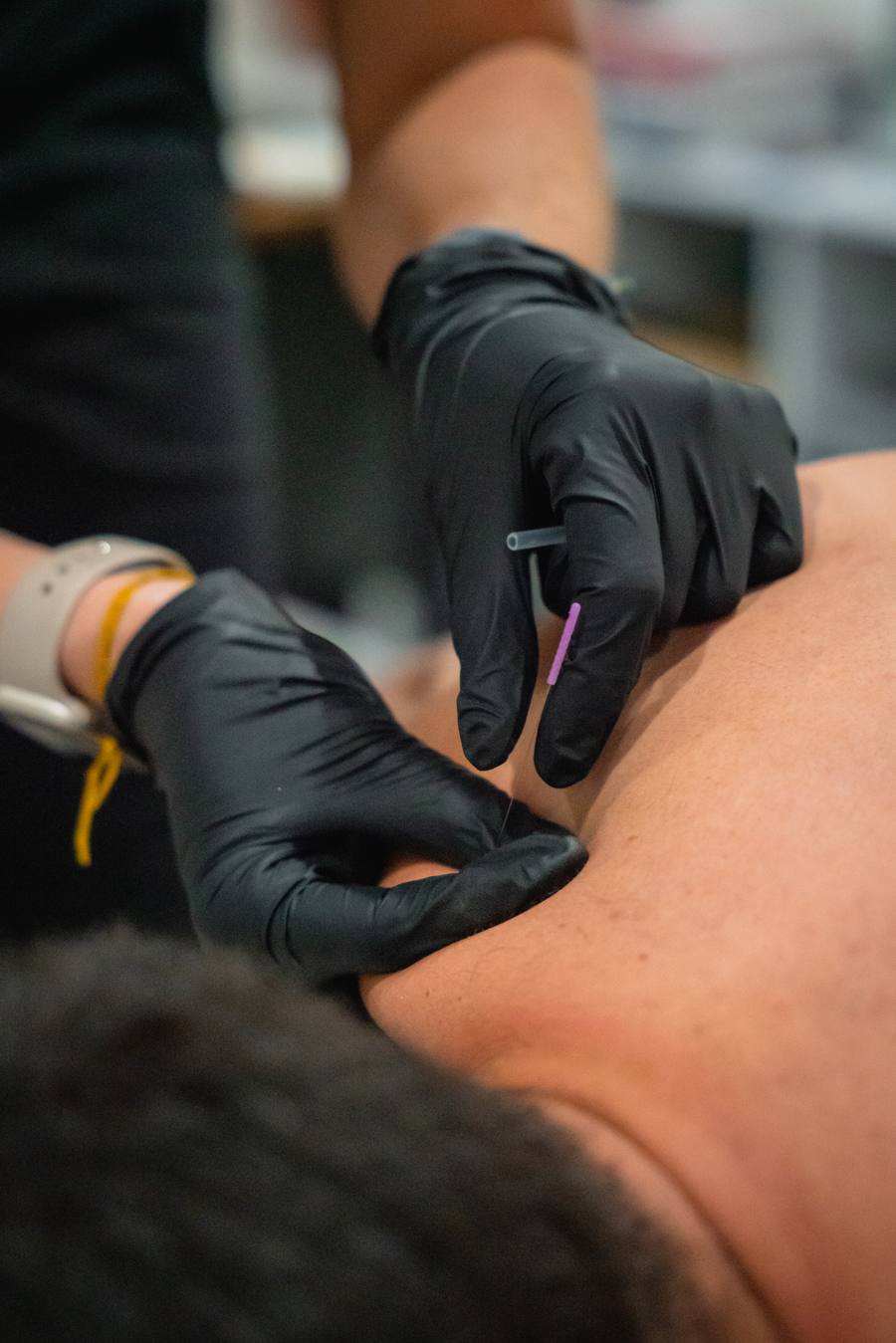
Expert care, one-on-one

Our Services

Every service at End Range is delivered personally by Dr. Lindsey Meeks. No aides, no group sessions, no handoffs.

Care is individualized, evidence-informed, and built around what you actually want to accomplish.

Where rehab meets performance

Three Areas of Care

Every client fits into care differently. Explore each area below to see exactly what's included, what problem it's built to solve, and whether it's the right starting point for you.

Physical Therapy
In pain, injured, or recovering from surgery

Comprehensive Evaluation

Every plan of care starts with time, not a rushed intake form. Your first visit is 75 uninterrupted minutes with Dr. Meeks, enough time to actually find out what's driving your pain instead of just treating where it hurts.

  • 75 minutes of uninterrupted 1-on-1 time with your Doctor of Physical Therapy
  • Review of medical history, work requirements, exercise routine, and lifestyle factors
  • Posture and movement analysis
  • Special tests and injury screening
  • Diagnostic imaging review & education
  • Hands-on joint & soft tissue assessment
  • Same-day treatment and development of your plan of care
  • Our goal: get you feeling at least 50% better by Day 1

Follow-Up Visits, Structured to Your Life

Recovery isn't one-size-fits-all, and neither is your schedule. Every follow-up is built around your goals and where your body is that day, not a fixed protocol repeated on a timer.

  • 60 minutes of hands-on treatment, tailored to how your body is responding week to week
  • Progressive, goal-oriented plans that meet you where you are that day
  • Transparent, upfront pricing, not whatever your insurance decides to allow
  • Package options for injuries and conditions that need more than a quick fix
Acute InjuriesPost-Surgical RehabChronic PainReturn to Sport
Schedule an Evaluation
Performance and Recovery
Training hard and want to stay ahead of injury

Targeted Care, On Your Terms

Not every visit needs to start with a full evaluation. When you already know what your body needs, Performance & Recovery sessions let you book targeted time and get straight to work, backed by the expertise of a physical therapy office.

  • Book 30, 60, or 90 minutes of focused care, exactly the time and treatment you need
  • The "rest day" that actually moves you forward, not just time off
  • Sports massage with the clinical eye of a physical therapy office behind it
  • Dry needling, cupping, and hands-on soft tissue and joint work
  • Red light therapy, compression, and percussive recovery tools
Athletes In-SeasonWeekend WarriorsActive Recovery DaysMaintenance Between PT Visits
Book a Recovery Session
Wellness Care
Feeling good and want to stay that way

The Only Thing Better Than Graduating PT

...is never having to start. Wellness & Preventative Care is built for clients who've finished treatment, or never needed it, and want a plan to keep their body moving freely, strong, and out of pain long term.

  • Personal training, monthly maintenance sessions, and remote programming
  • Built around cultivating a healthy, sustainable lifestyle that keeps you out of pain and moving freely
  • Membership plans for people who treat their health & wellness as part of their routine
Injury PreventionBusy ProfessionalsMobility & LongevityRemote/Online Programming
Ask About Membership
Before you book

What a Session Actually Looks Like

No mystery, no guesswork. Here's a walkthrough of a standard 60-minute follow-up visit at End Range.

Manual TherapyManual Therapy
Dry NeedlingDry Needling
CuppingCupping
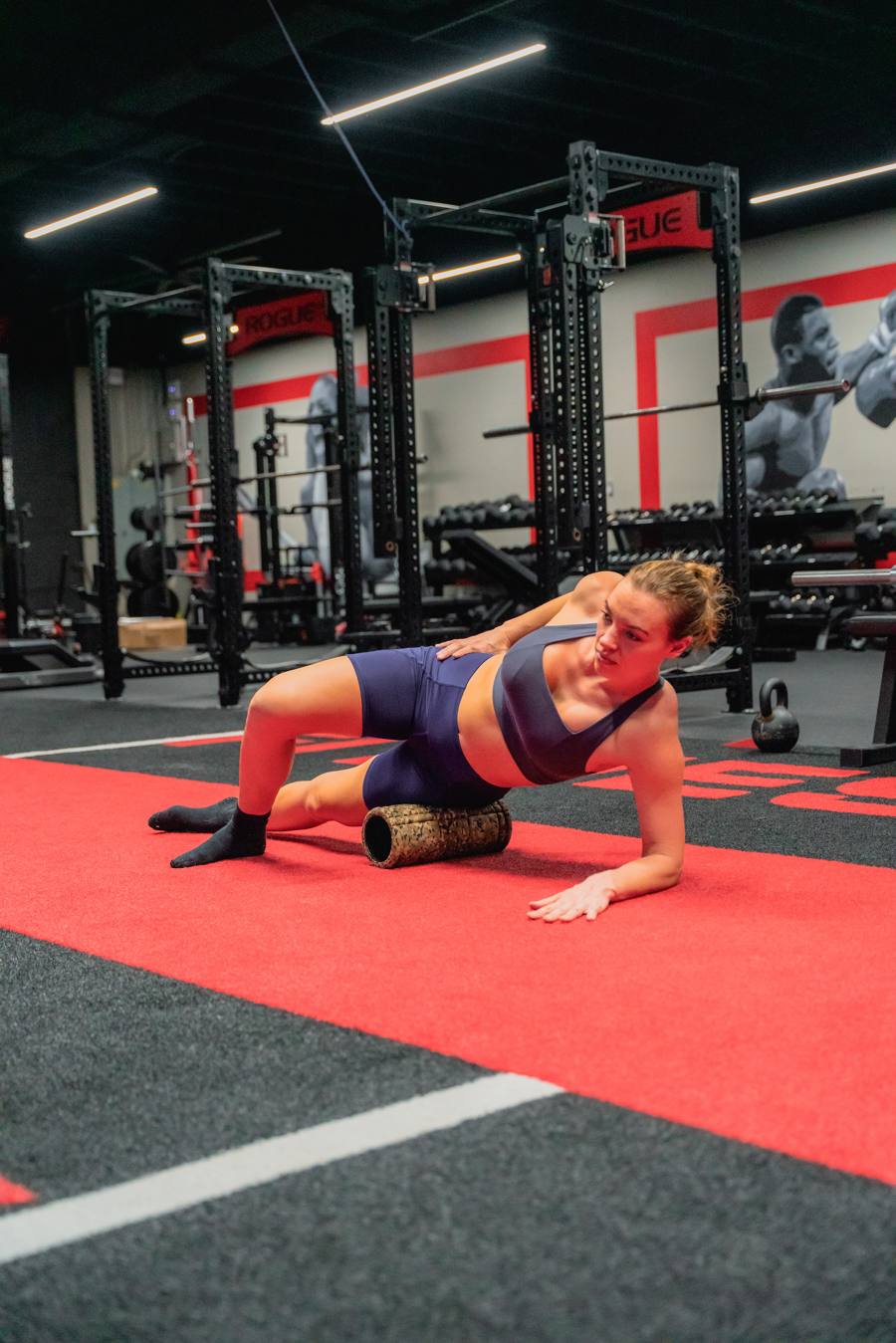
Movement & MobilityMovement & Mobility

Minutes 0–5  ·  Check-In & Movement Screen

You'll catch Dr. Meeks up on how your body has responded since your last visit, what's better, what's still nagging, and how your week went outside the clinic.

Minutes 5–30  ·  Hands-On Treatment

Manual therapy, joint mobilization, and soft tissue work targeted to what your body needs that day, not a generic routine repeated every visit.

Minutes 30–50  ·  Guided Exercise & Loading

Corrective exercise and progressive strength work, coached in real time, to build the stability and resilience that keeps the pain from coming back.

Minutes 50–60  ·  Recovery Modality & Wrap-Up

Dry needling, cupping, percussion, or red light therapy as clinically indicated, plus a clear plan for what to do (and expect) before your next visit.

How we treat

Our Approach

Every tool we use is selected based on your individual presentation, not applied by routine. Below is an overview of the techniques and modalities integrated into care at End Range.

1   Movement Assessment & Corrective Exercise

+

A comprehensive movement assessment identifies compensatory movement patterns, joint mobility restrictions, strength asymmetries, and neuromuscular deficits that contribute to pain, dysfunction, or elevated injury risk. Without addressing these underlying factors, treatment tends to manage symptoms rather than resolve them.

Corrective exercise uses targeted, progressive loading and motor control training to address what the assessment reveals, retraining movement patterns, restoring joint stability, and building the neuromuscular foundation that supports long-term function and performance.

Research supports movement-based assessment and corrective exercise as effective tools for reducing injury risk, improving movement quality, and optimizing outcomes across both rehabilitation and performance populations.

At End Range, assessment is an ongoing process that informs every session, not a one-time intake form.

Movement QualityMotor ControlJoint MobilityStrength AsymmetriesPost-Surgical Patterns

2   Sports Rehab & Strength Integration

+

Sports rehabilitation addresses the movement deficits, strength asymmetries, and neuromuscular dysfunction that result from injury, and if left unaddressed, they increase the risk of reinjury and long-term performance limitations.

Strength integration bridges the gap between clinical rehabilitation and return to full training. Rather than treating rehab and strength work as separate phases, loading progressions and sport-specific movement patterns are incorporated directly into the treatment process, ensuring the transition back to activity is systematic, measurable, and sustainable.

Research consistently shows that strength-based rehabilitation produces better long-term outcomes than passive treatment alone, improving tissue resilience, joint stability, and motor control in ways that support both recovery and performance.

ACL & KneeShoulder InstabilityHip ImpingementTendinopathiesPost-Surgical RehabPowerlifting Injuries

3   Joint Mobilization & Manipulation

+

Joint mobilization and manipulation are hands-on manual therapy techniques that apply controlled forces to a joint to restore normal movement, reduce pain, and improve overall mechanics. They target restrictions within the joint capsule and surrounding connective tissue that develop following injury, surgery, or prolonged movement dysfunction.

Mobilization uses graded, repetitive movements to gradually restore range of motion, while manipulation uses a precise, high-velocity thrust to quickly release a restricted joint. Both techniques have a well-documented neurophysiological effect, stimulating joint mechanoreceptors that modulate pain and improve motor control.

At End Range, these techniques are applied with intention and used when clinically appropriate, always as part of a comprehensive, movement-based treatment plan.

Hip StiffnessShoulder ImpingementAnkle StiffnessSpinal RestrictionsPost-Surgical Stiffness

4   Clinical Massage & Soft Tissue Mobilization

+

Often described as therapeutic or clinical massage, soft tissue mobilization uses targeted pressure, friction, and movement to address restrictions in muscle, fascia, and connective tissue. Where joint mobilization targets the joint itself, soft tissue work addresses the surrounding tissue environment, releasing adhesions, improving tissue extensibility, and restoring normal movement patterns.

It's one of the most versatile tools in a physical therapist's toolkit, applicable across a wide range of conditions from acute injury to chronic tightness to post-surgical scar tissue management.

At End Range, soft tissue mobilization is always paired with active movement, because releasing tissue is only half the equation. Teaching your body to move well through that new range is what makes the results stick.

Muscle TightnessScar TissueChronic Neck & BackHamstring RestrictionsRotator Cuff

5   Dry Needling

+

Dry needling uses thin, monofilament needles to target trigger points : tight, irritable bands within muscle tissue that contribute to pain, stiffness, and restricted movement. When the needle contacts a trigger point, it produces a local twitch response that releases tension, improves circulation, and reduces the neurological sensitivity driving your symptoms.

Grounded in Western anatomy and neuroscience, dry needling is evidence-supported for reducing pain and improving range of motion, and is most effective when integrated into an active rehabilitation plan.

At End Range, it's always used as part of a broader treatment strategy, not a standalone fix.

Neck & Shoulder TensionLow Back PainHip & Glute DysfunctionKnee PainPlantar FasciitisTension Headaches

6   Cupping Therapy

+

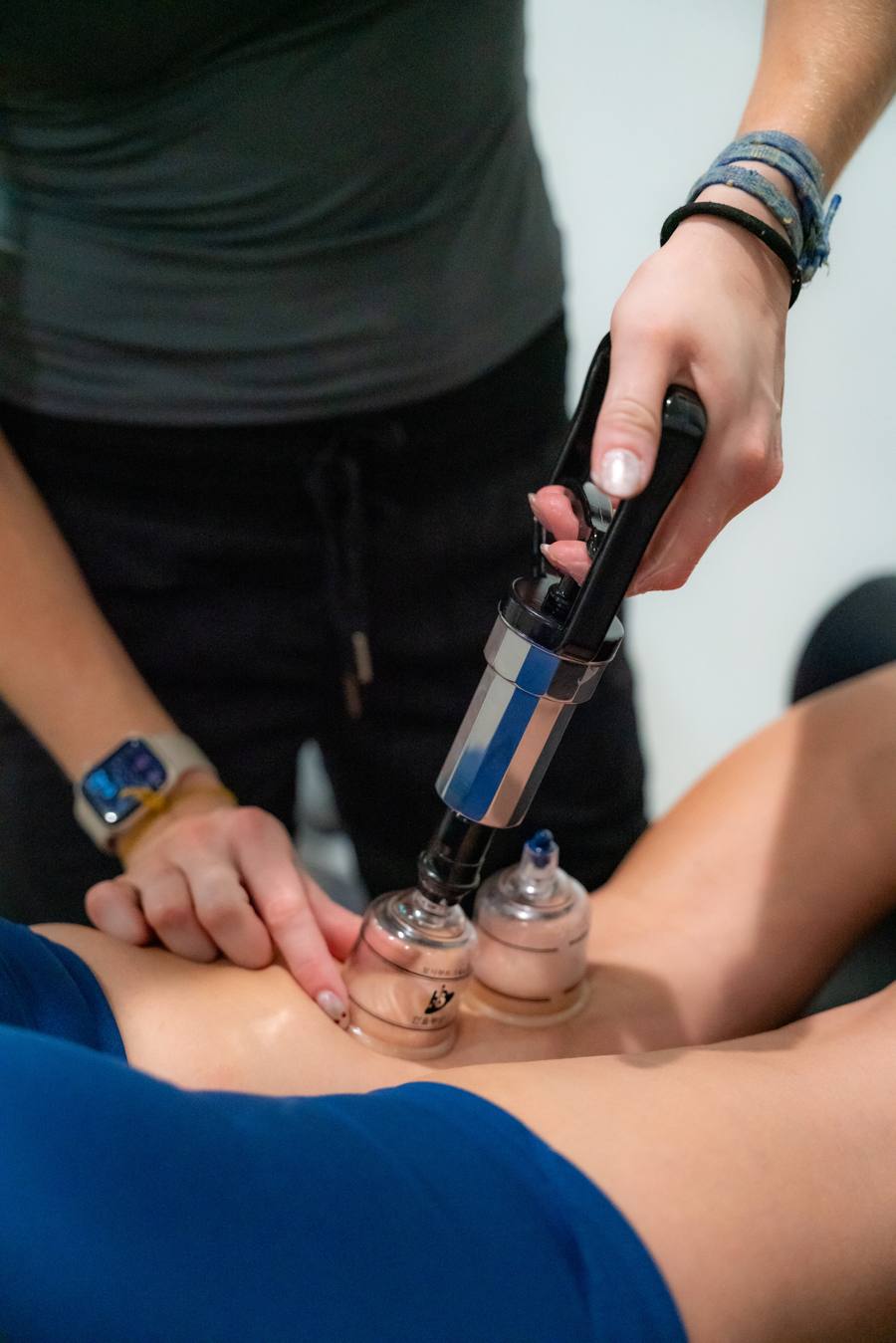
Cupping uses negative pressure, using silicone or plastic cups placed on the skin, to lift and decompress soft tissue rather than compress it. This creates a tensile force through the superficial and deep tissue layers, promoting blood flow, reducing fascial restrictions, and calming overactive nervous system responses in the area.

Modern cupping in a rehab setting is often performed as “movement cupping”, where cups are applied and the client moves through a range of motion simultaneously, making it a useful tool for improving mobility and tissue extensibility in a way that complements active care.

At End Range, cupping is used as part of a hands-on treatment approach, not as a trend, but as a targeted tool when the tissue and presentation call for it.

Thoracic & Lumbar TightnessShoulder MobilityHip Flexor TensionIT BandPost-Training Recovery

7   Percussion Therapy

+

Percussion therapy uses rapid, targeted pulses of pressure to stimulate blood flow, reduce muscle soreness, and prepare tissue for movement. It works by activating mechanoreceptors in the muscle, interrupting the pain-tension cycle and promoting faster neuromuscular recovery.

Most effective as part of a warm-up or cooldown protocol, percussion therapy helps reduce post-training soreness, improve tissue pliability, and get your body ready to move well.

Post-Training SorenessWarm-Up PrepTissue PliabilityNeuromuscular Recovery

8   Compression Therapy

+

Compression therapy uses controlled, sequential air pressure to mobilize fluid, reduce swelling, and support circulatory recovery. By systematically compressing and releasing the limbs, it mimics and enhances the body's natural lymphatic and venous return.

It's particularly effective after high training loads, long periods of standing, or following injury, helping the body clear metabolic waste, reduce inflammation, and recover faster between sessions.

Post-Training RecoverySwelling & InflammationCirculatory SupportLymphatic Recovery

9   Red Light Therapy (Photobiomodulation)

+

Red light therapy, clinically known as photobiomodulation (PBM), uses specific wavelengths of red and near-infrared light to penetrate soft tissue and stimulate cellular energy production. At the cellular level, light energy is absorbed by mitochondria, triggering an increase in ATP synthesis, the primary fuel source for cellular repair and regeneration.

This process has been shown to reduce inflammation, accelerate tissue healing, decrease pain sensitivity, and improve circulation at the site of application. Unlike many recovery modalities, the effects of red light therapy are driven by measurable biological mechanisms rather than symptomatic relief alone.

Research supports photobiomodulation for musculoskeletal pain, tendinopathy, joint inflammation, and soft tissue recovery, with a growing body of evidence supporting its use as an adjunct to active rehabilitation.

At End Range, red light therapy is integrated into treatment and recovery sessions where clinically appropriate, supporting the healing environment your body needs to respond to rehabilitation.

TendinopathiesJoint InflammationMuscle RecoveryWound HealingChronic Pain
Get started

Not sure where to start?

Every client begins with a comprehensive one-on-one evaluation. Dr. Meeks will assess your movement, understand your goals, and build a plan around you.

Schedule an Evaluation
Dr. Lindsey Meeks, PT, DPT
Meet your provider

Dr. Lindsey Meeks

PT, DPT, CMPT, DN cert.  ·  Owner, End Range Performance & Recovery

End Range Performance & Recovery was built on the belief that exceptional care starts with relationships, not insurance companies. My goal has always been to create a place where people feel heard, understood, and supported throughout every stage of their recovery and performance journey.

As a Doctor of Physical Therapy with a background in both rehabilitation and strength & conditioning, I've dedicated my career to bridging the gap between traditional physical therapy and high-performance training. Today, I'm proud to work with everyone from professional, collegiate and high school athletes to active adults, weekend warriors, and individuals simply looking to move through life with less pain and greater confidence.

More than just treating injuries, I'm passionate about investing in the South Florida community. Through partnerships with local gyms, sports organizations, community events, coaches, and wellness professionals, End Range has become a trusted resource for athletes and active individuals who want personalized, one-on-one care without the limitations of the traditional healthcare system.

Located in the heart of Fort Lauderdale, every 60-minute session is designed around you: your goals, your lifestyle, and your definition of success. My commitment is simple: listen first, treat the whole person, and help you return stronger than when you started.

Education & Training

Credentials

Degrees & Certifications

  • Doctor of Physical Therapy
  • B.S. Physiology & Kinesiology
  • Dry Needling Certified
  • Certified Orthopedic Manual Physical Therapist
  • Spinal Manipulation Certified

Specializations

  • Sports Orthopedics
  • Performance Rehabilitation
  • Orthopedic Manual Therapy
  • Dry Needling
  • Movement Assessment
  • Strength & Conditioning Integration
  • Licensed Personal Trainer

Populations Served

  • Active Adults & Recreational Athletes
  • Strength Athletes & Powerlifters
  • Combat Sports & MMA Athletes
  • Golfers & Overhead Athletes
  • Team Sport Athletes
  • Post-Surgical Patients
  • Yoga & Movement Practitioners
Clinical philosophy

Movement is the medicine.
Everything else supports it.

I believe the goal of physical therapy isn't just to reduce pain: to restore confidence in your body, rebuild capacity, and give you a sustainable foundation for whatever you want to do next.

That means treatment is always active. Passive modalities are tools: they support the process, but they don't drive it. What drives it is movement, progressive loading, and your own accountability to the process.

I also believe that good clinical care requires honesty. You'll always know where you are in the process, what the plan is, and what's expected of you. No vague timelines, no unnecessary visits, no fluff.

At End Range, you're not a diagnosis. You're a person with a goal, and that's where we start every session.

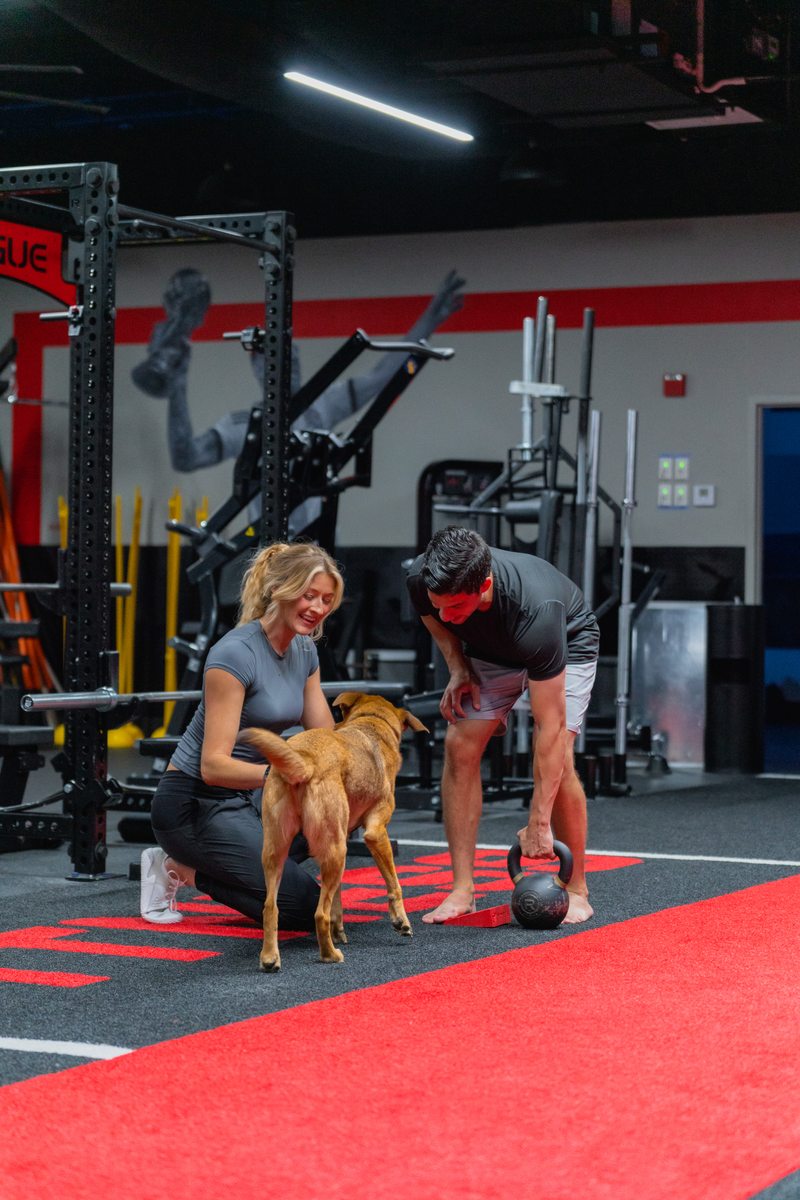
Dr. Meeks with client and dog at Symmetry Fitness
My Story

Why I built End Range, and who I built it for.

My path into physical therapy didn't begin in a classroom, it began as a patient.

In my teenage years, I experienced years of recurrent knee injuries, multiple surgeries, and more time in physical therapy than I ever expected. I was so determined to develop my skills in sport, but I was not prioritizing my body. Those experiences certainly taught me how to recover from an injury, but more importantly, they taught me the value of taking ownership of my health. I learned early that the small, consistent habits (strength training, mobility, movement quality, recovery, and injury prevention) create a foundation that extends far beyond rehabilitation.

Physical therapy became more than a place to recover; it became the environment where I developed an appreciation for how the body moves, adapts, and becomes more resilient. That curiosity eventually led me to study Physiology & Kinesiology at the University of Florida before earning my degree as a Doctor of Physical Therapy.

Throughout my career, I've worked in both physical therapy and strength & conditioning, allowing me to bridge two worlds that are often treated separately. I quickly realized that many people were being discharged once their pain improved, even though they still lacked the confidence, capacity, or preparation to return to the activities they loved. At the same time, active individuals were often left trying to navigate injuries without guidance that truly understood the demands of training and sport.

That realization inspired me to create End Range Performance & Recovery.

Today, my mission is to help people move beyond simply being pain-free. Whether you're recovering from surgery, training for your next competition, chasing a personal record, or simply trying to stay active for years to come, I believe your care should help you build strength, resilience, and confidence that lasts long after your injury has healed.

Because that's ultimately what physical therapy gave me: not just healthier knees, but a lifelong appreciation for movement and the habits that support a healthy, active life.

Common questions

Frequently Asked Questions

Everything you need to know before your first visit, from scheduling and insurance to what to expect in the treatment room.

Getting Started

Do I need a referral to see a physical therapist?

+

No. Florida is a direct access state, which means you can see a licensed physical therapist without a physician referral. You can schedule an evaluation, begin treatment, and progress through your care plan without needing prior authorization from a doctor.

If imaging, medication, or additional medical management is needed, we will coordinate with your physician or refer you to the appropriate provider.

How do I schedule an appointment?

+

Scheduling is simple. You can book directly through our online booking system, available 24/7, by clicking the button below or the “Book Now” button at the top of the page.

If you have questions before booking or aren't sure which service is right for you, you're welcome to reach out at (850) 445-4622 or endrangepr@gmail.com.

How is this different from a traditional PT clinic?

+

At a traditional insurance-based clinic, visits are often 30–45 minutes with a portion supervised by an aide rather than your therapist. Treatment plans are shaped by what insurance will cover, not necessarily what your body needs.

At End Range, every session is 60 minutes of direct, one-on-one time with Dr. Meeks. There are no aides, no group exercise areas, and no rotating caseloads. Your treatment plan is driven entirely by your clinical needs and your goals.

Do you work with athletes?

+

Yes, athletes and active adults are the heart of this practice. Whether you're a competitive athlete, a recreational lifter, a weekend warrior, or someone who simply wants to stay active and healthy, care at End Range is built around your goals and your lifestyle.

End Range is located inside Symmetry Fitness, a high-performance training facility used by professional fighters and NFL athletes. Your rehab environment reflects the level you're training at.

Insurance & Billing

What insurances do you accept?

+

End Range Performance & Recovery is a cash-based practice, meaning we do not bill insurance directly. All services are paid out of pocket at the time of your visit.

If you have a PPO plan, you may be eligible for partial reimbursement through your out-of-network benefits. We can provide a detailed superbill, an itemized receipt with the necessary diagnosis and billing codes, that you can submit directly to your insurance provider. We recommend contacting your insurer ahead of time to ask about your out-of-network physical therapy benefits.

Why cash-based care? This model allows us to provide longer, one-on-one sessions without visit limits, treatment restrictions, or administrative delays. Your care is guided by what you actually need, not what your insurance is willing to cover.

Can I use my HSA or FSA to pay for physical therapy?

+

Yes! In most cases, you can use both a Health Savings Account (HSA) and a Flexible Spending Account (FSA) to pay for physical therapy services.

Because End Range Performance & Recovery is an out-of-network, cash-based practice, payment is collected at the time of your visit. If you plan to use your HSA or FSA, you can simply pay using your HSA/FSA debit card or submit your receipt for reimbursement according to your plan's guidelines.

If you have out-of-network insurance benefits, we are also happy to provide a detailed superbill that you may submit to your insurance company for possible reimbursement.

If you're unsure what your plan covers, we recommend contacting your insurance provider directly before your appointment.

Your Visit

What should I expect at my first visit?

+

Your first visit is a full 60-minute one-on-one evaluation with Dr. Meeks. Rather than jumping straight into treatment, we take the time to understand your full history, your goals, and how your body is actually moving before developing a plan of care.

Your initial evaluation will include a detailed health and movement history, a comprehensive physical and movement assessment, hands-on treatment in most cases, and a clear plan of care. You'll leave with a thorough understanding of what's going on, why it's happening, and what the path forward looks like.

There are no surprises, no waiting rooms, and no being passed off to an aide. From the moment you arrive, you're working directly with your doctor.

How many sessions will I need?

+

This depends on the nature and severity of your condition, how long it has been present, your activity level, and how your body responds to treatment. That said, you will never be kept in care longer than necessary.

As a general guide: acute injuries typically resolve with fewer sessions when addressed early; chronic or longstanding issues may require more time to address underlying movement dysfunction; and some clients choose to continue with periodic sessions to support training and prevent injury long-term. A clear plan of care will be established at your first visit.

A note on your role: The most successful outcomes happen when care is a two-way commitment. Attending sessions consistently, completing your home program, and communicating openly about how you're responding to treatment all significantly impact how quickly and completely you recover.

What is expected of me as a client?

+

Active participation. The most successful outcomes at End Range come from clients who are engaged, consistent, and communicative throughout the process.

In practice, that looks like: showing up consistently, completing your home program, communicating openly if something isn't working or your goals shift, and being patient with the process, meaningful, lasting change takes time and progressive loading, not shortcuts.

We'll never overload you with unrealistic demands. But we do ask that you show up ready to be an active participant in your own recovery, because that's what actually gets results.

What should I wear to my appointment?

+

Comfortable athletic wear is ideal. You'll want clothing that allows easy access to the area being treated and freedom of movement for any functional assessments or exercises during your session.

Shoulder, neck, or upper back, a tank top or loose-fitting shirt. Hip, knee, or lower extremity, shorts or athletic pants that can be rolled up. Low back or spine, comfortable, form-fitting athletic wear that allows movement.

Footwear: Plan to remove your shoes and socks for most sessions. If your care involves running mechanics, gait analysis, or athletic performance work, we may ask you to bring athletic shoes, we'll let you know ahead of time.

Where do I park?

+

Our office is located inside Symmetry Fitness & Performance. You are welcome to park in any spot labeled “Symmetry” or “Customer”. Parking is available at the front/side and around the back of the building. There is also free street parking available.

Please do not park in a “Pottery” spot or along the white wall of the building directly across from the gym as they do tow.

Please wait inside the main lobby when you arrive and I will meet you and bring you back to the office. If you have any questions, please feel free to text or call.

Policies

What is your cancellation policy?

+

We require a minimum of 24 hours notice for any cancellation or rescheduling. This allows us to offer that time to other clients who are waiting for care.

Cancellations with less than 24 hours notice, we understand that unexpected situations arise and will always try to be flexible and understanding. A $60 fee may be applied at the discretion of your clinician. Same-day cancellations and no-call no-shows . A $60 fee will be charged regardless of reason. Clients with a pattern of late cancellations will be transitioned to same-day and waitlist scheduling based on availability.

Out of respect for your clinician's time and other clients seeking care, consistent attendance is an expectation of being a patient at End Range.

Treatments

What is dry needling and is it painful?

+

Dry needling uses thin, monofilament needles to target trigger points : tight, irritable bands within muscle tissue that contribute to pain, stiffness, and restricted movement. When the needle contacts a trigger point, it produces a local twitch response that releases tension, improves circulation, and reduces the neurological sensitivity driving your symptoms.

As for pain, most clients describe the sensation as mild to moderate pressure, a brief muscle cramping or aching feeling during the twitch response, and immediate relief or loosening afterward. The needles used are extremely thin, significantly smaller than a hypodermic needle, and insertion itself is rarely what clients notice most.

Soreness for 24–48 hours following a session is normal and typically resolves quickly. If needle sensitivity is a concern, we'll always discuss it with you beforehand. Dry needling is never performed without your informed consent and comfort.

What conditions do you treat?

+

End Range treats a wide range of musculoskeletal and movement-related conditions. Common conditions include: ACL and knee injuries, shoulder impingement and rotator cuff dysfunction, hip impingement and labral pathology, low back pain, neck pain, tendinopathies, plantar fasciitis, ankle sprains and chronic instability, post-surgical rehabilitation, headaches related to muscle tension, and general movement dysfunction and injury prevention.

If you're unsure whether your condition is a fit, reach out directly, we're happy to help you determine the best course of action.

Still have questions?

We're happy to help before you book.

Reach out at endrangepr@gmail.com or (850) 445-4622, or go ahead and schedule your first visit.

Book an Appointment
Educational content

Resources

Evidence-based articles and guides to help you understand your body, your recovery, and your performance, written by Dr. Lindsey Meeks.